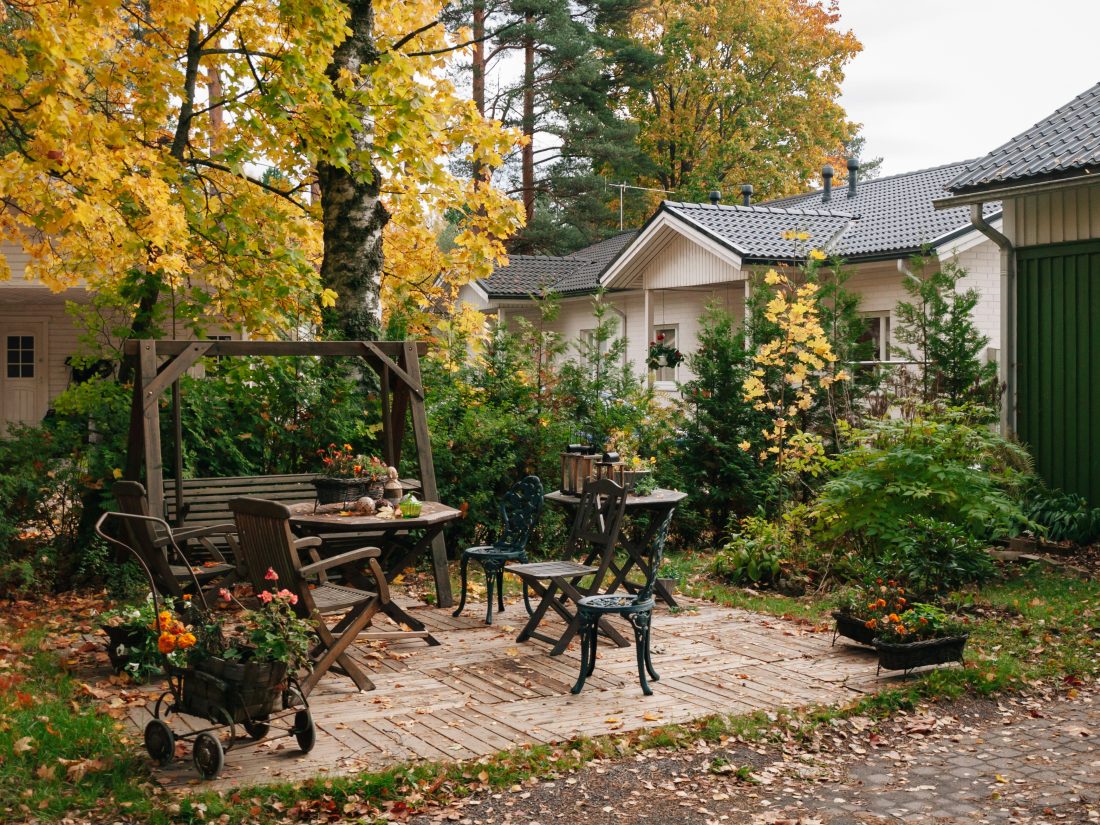
A well-designed backyard rarely comes down to one hero piece. It is usually the result of many thoughtful elements working together: furniture that gives the space purpose, greenery that softens hard edges, lighting that changes the mood, and texture that makes everything feel warm, inviting, and complete. This is the art of backyard layering, and when it is done well, even a modest outdoor area can feel considered, stylish, and surprisingly luxurious.
Rather than treating a backyard as a flat, open zone that simply needs a few chairs and a plant or two, layering encourages a more intentional approach. It asks you to think about depth, contrast, comfort, and flow. The result is an outdoor space that feels lived-in rather than staged, practical without feeling plain, and polished without becoming overly precious.
One of the easiest places to begin is with the furniture itself. Choosing pieces that suit the scale of the space will immediately create a stronger foundation. In a compact courtyard or smaller entertaining area, something like a small outdoor dining table can help define a dining zone without overwhelming the rest of the layout. That single choice sets the tone for everything around it, giving you a clear focal point to layer around with planting, lighting, and softer decorative details.
Start With Function Before You Style
Before thinking about finishes and accessories, it helps to decide how the backyard is meant to work. Is it primarily a place for weekend lunches, slow morning coffees, evening drinks, or family gatherings? Layering becomes much easier when the purpose of the space is clear, because every element can then support that use.
Furniture is often the anchor. A dining setting creates structure for entertaining, while a lounge arrangement encourages conversation and relaxation. Even if the area is small, a carefully chosen arrangement can still create the feeling of zones. This is important because layered backyards tend to feel more dynamic when they are subtly divided into areas with different purposes.
Think of furniture as the framework rather than the final flourish. The shape, material, and placement of each piece will influence what comes next. Timber can warm up a contemporary backyard, while powder-coated metal can give the space a cleaner, sharper edge. Upholstered seating introduces softness, and woven or slatted finishes add detail without clutter.
Use Greenery to Soften and Connect
Once the furniture is in place, greenery helps the backyard feel alive. Plants are not just decorative extras. They are one of the most effective tools for creating depth and making an outdoor setting feel layered rather than one-dimensional.
The key is variation. Mixing plant heights, leaf shapes, and pot styles gives the eye more to move across. Taller plants can frame a dining or seating area, while lower plantings help blur the boundary between built surfaces and the garden itself. Trailing foliage can soften edges, and sculptural plants can act almost like living artworks.
Greenery also creates a visual bridge between furniture and architecture. Without it, even high-quality outdoor pieces can feel like they are simply sitting on a patio. With it, the entire backyard begins to feel integrated. A cluster of pots near a bench, a line of planting along a fence, or a layered mix of foliage around a dining area can make the space feel much more immersive.
It is also worth considering texture when choosing plants. Fine, feathery leaves bring lightness. Broad leaves create drama. Grasses add movement. Mixing these qualities keeps the backyard from feeling too uniform.
Lighting Is What Changes the Mood
Many outdoor spaces look acceptable during the day but fall flat at night. Lighting is often the missing layer. It brings atmosphere, highlights textures, and extends the usability of the backyard well into the evening.
The most successful lighting schemes avoid relying on a single harsh source. Instead, they use multiple gentle layers. Wall lights, overhead festoon lights, lanterns, garden spikes, and subtle table lighting can all work together to create a softer, more welcoming effect.
Good backyard lighting should do more than just help people see. It should help the space feel different after dark. Warm lighting near seating areas creates intimacy. Uplighting beneath plants can add drama and depth. Soft pathway lighting improves practicality while also making the backyard feel more thoughtfully designed.
The beauty of layered lighting is that it creates mood without demanding attention. It works quietly in the background, making furniture look richer, plants look more dimensional, and the entire space feel more complete.
Texture Is What Makes a Backyard Feel Finished
Texture is often the element that separates a basic outdoor setup from one that feels styled and memorable. It adds richness without relying on unnecessary decoration. In outdoor design, texture can come from almost anywhere: timber grain, woven chairs, linen cushions, concrete planters, stone pavers, ceramic pots, outdoor rugs, or even the contrast between matte and glossy finishes.
A backyard without texture can feel visually flat, even when the furniture is attractive. Introducing a mix of materials helps create that layered effect people often notice but cannot quite explain. A smooth tabletop paired with a woven chair, soft cushions against a solid bench, or rough stone beside leafy planting all contribute to a more balanced and interesting environment.
This does not mean every surface needs to compete for attention. In fact, the most effective layered spaces usually work because they combine restraint with contrast. Repeating a few key materials while introducing one or two unexpected textures often feels more sophisticated than trying to include everything at once.
Think in Foreground, Middle Ground, and Background
One of the smartest ways to approach backyard layering is to think like a stylist or photographer. Instead of viewing the space as one open area, break it into visual layers.
The foreground might include a dining chair, a potted plant, or an outdoor rug. The middle ground could be the main furniture setting. The background may be screening, trees, vertical gardens, fencing, or architectural features. When each of these layers has something to contribute, the backyard immediately feels deeper and more resolved.
This approach is particularly effective in narrow or compact spaces. Even if the footprint is limited, layering what the eye sees from front to back can make the area feel far more expansive and curated.
Keep the Palette Cohesive
Layering works best when there is some visual consistency holding everything together. That does not mean the backyard needs to be monochrome or overly controlled, but it should feel connected.
A cohesive palette of materials and tones can make diverse elements feel intentional. Soft neutrals, warm timbers, greenery, and black accents are a popular combination because they create contrast without chaos. Earthy tones can also work beautifully, especially when paired with natural textures and planting.
If you are introducing colour, do it with purpose. Outdoor cushions, planters, and decorative accessories can bring personality, but too many competing shades can undermine the calm, layered feeling you are trying to create.
Avoid the Urge to Fill Every Gap
A common mistake in backyard styling is assuming every corner needs something. True layering is not about adding more for the sake of it. It is about building visual richness while still leaving room for the space to breathe.
Negative space matters. Open areas around furniture help define zones. Empty wall sections can make greenery stand out more. A clean stretch of paving can give the eye a place to rest before moving to the next feature. Restraint is often what makes layered design feel elevated rather than cluttered.
Bring Comfort Into the Equation
No matter how attractive the backyard looks, it will not feel successful if it is not comfortable to use. Layering should always support comfort, not compete with it.
Seat cushions, shade, soft lighting, accessible surfaces, and practical furniture arrangements all contribute to a better outdoor experience. A backyard that looks beautiful but feels awkward or exposed will never have the same appeal as one that invites people to settle in and stay a while.
This is why the strongest outdoor spaces often have a relaxed, collected quality. They feel as though each element has earned its place, and nothing has been added purely for show.
A Layered Backyard Feels More Natural Over Time
One of the best things about this approach is that it does not need to happen all at once. In fact, backyard layering often works better when it evolves gradually. You might begin with the furniture, then add planting, then refine the lighting, then introduce extra texture through accessories and finishes. This slower process can lead to a more authentic result, because the space develops in response to how you actually use it.
The final goal is not perfection. It is cohesion, comfort, and character. A layered backyard should feel welcoming in daylight, atmospheric in the evening, and visually interesting from every angle. When furniture, greenery, lighting, and texture are working together, the outdoor space begins to feel less like an afterthought and more like a genuine extension of the home.
That is the real art of backyard layering. It is not about styling tricks or filling the space with trends. It is about creating an outdoor environment with depth, personality, and ease — one thoughtful layer at a time.