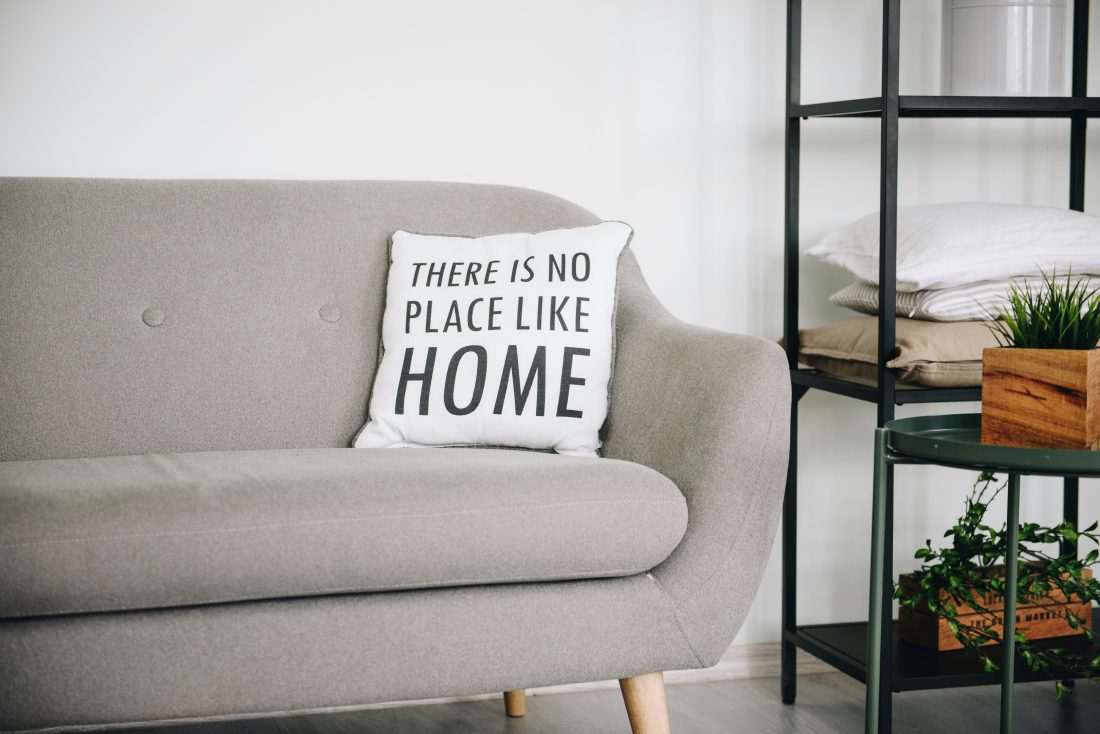
There is something exciting about stepping into a brand-new home. The walls are fresh, the finishes are clean, and everything feels untouched. At the same time, that same newness can sometimes make a space feel a little anonymous. It may be beautifully built, but not yet deeply yours. The challenge is not making it look fuller for the sake of it. The real goal is to make it feel layered, personal, and lived in, as though it reflects a life rather than a display.
That sense of story rarely comes from one dramatic purchase or a perfectly styled room. It comes from thoughtful choices that create warmth, memory, and character over time. Even small details, such as art with personal meaning, collected objects, books, handmade ceramics, or stylish timber side tables that bring natural texture into a room, can help soften the sharpness of a newly finished space. These pieces do more than fill gaps. They start to shape a home that feels grounded and individual.
A home with a story feels as though it belongs to the people living in it. It has contrast, personality, and subtle clues about what matters to them. It does not need to be old to feel rich with meaning. It simply needs to be layered with intention.
Start by Thinking Beyond “Finished”
One of the biggest mistakes people make in a new home is trying to make every room feel complete all at once. When everything is bought in one hit, matched too closely, or styled too perfectly, the result can feel flat. A house may look polished, but still lack soul.
Homes with real presence usually evolve. They carry traces of different influences, different moments, and different priorities. That is what gives them depth. Instead of aiming for instant perfection, it helps to think in terms of building a home gradually. Leave space for change. Allow some pieces to be practical, some sentimental, and some simply beautiful.
This shift in mindset matters because a story is never built overnight. It is assembled through layers. The more you give yourself permission to mix old with new, refined with relaxed, and meaningful with functional, the more natural the result will feel.
Bring in Pieces That Feel Personal, Not Generic
A new home starts to feel memorable when it reflects the people inside it. This does not mean every item needs a sentimental backstory, but the overall space should suggest taste, interests, and experience.
That might mean displaying books you genuinely love rather than colour-coordinated ones chosen for effect. It could mean choosing artwork that reminds you of a place, a person, or a period in your life. It may be a dining table that encourages long conversations, a chair inherited from family, or ceramics picked up while travelling.
Personal pieces interrupt the predictability that can come with brand-new interiors. They give the eye somewhere to land and create moments of curiosity. Even when guests cannot identify exactly why a room feels warm or interesting, they respond to that sense of authenticity.
The key is to avoid filling a home with items that could belong to anyone. Character grows when your choices say something about how you live, what you value, and what you want your space to feel like.
Use Texture to Add Age, Warmth, and Depth
Storytelling in interiors is not only about objects. It is also about surfaces. Brand-new homes often feature smooth finishes, crisp paint, clean lines, and uniform materials. While this can look elegant, it can also feel a little sterile if everything is too sleek.
Texture is one of the easiest ways to add emotional depth. Timber, linen, wool, stone, rattan, leather, and brushed metals all introduce a sense of variation and tactility. These materials make a room feel more layered and less manufactured.
For example, a linen sofa feels softer and more relaxed than something too rigid and formal. A timber coffee table or side table brings grain, warmth, and subtle irregularity. A woven rug helps ground the room and makes it feel established. Even curtains can change the mood, adding movement and softness where there was once only hard structure.
Texture gives a home visual history. It stops everything from feeling as though it arrived on the same truck on the same day.
Mix New Pieces With Something Older
One of the fastest ways to make a new home feel like it has a story is to resist making everything new. A single vintage piece can shift the tone of an entire room. It creates contrast, and contrast is often what gives interiors depth.
This does not mean your home needs to feel antique or traditional. Even modern spaces benefit from one or two elements that bring age and individuality. A vintage mirror, an old timber bench, a restored cabinet, or a second-hand lamp can make a room feel more layered and less predictable.
Older pieces often carry a softness or imperfection that new items lack. They may show wear, patina, or craftsmanship that feels more human. That sense of age helps balance the crispness of a new build and creates the impression that the home has evolved over time.
The beauty of mixing old and new is that it makes a space feel curated rather than assembled. It shows restraint, confidence, and personality.
Let the Home Reflect Real Life
A home with a story is not one that looks untouched. It is one that supports the rhythms of everyday life in a beautiful way. That means designing around how you actually live, not just how a room should look in theory.
If you love reading, make books visible. If you entertain often, create a dining or living area that encourages people to gather comfortably. If your mornings are slow and quiet, give a corner of the home that kind of softness. If family life is central, let the layout reflect that in a way that feels natural and welcoming.
When rooms are shaped by real habits, they develop their own character. A hallway console that holds keys, post, flowers, and a favourite bowl says more about a household than a perfectly empty surface ever could. A kitchen shelf with everyday ceramics and cookbooks feels warmer than one styled purely for effect.
Practicality does not remove beauty from a home. In many cases, it is what makes beauty feel believable.
Create Layers, Not Just Decoration
There is a difference between decorating a space and layering it. Decoration is often about adding visual interest. Layering is about building atmosphere. It considers what a room feels like over time, not just how it looks in one moment.
Layering involves combining elements with different weights, finishes, histories, and purposes. It might mean placing a contemporary lamp on an older table. It might mean pairing clean-lined furniture with a rug that has an aged look, or styling modern cabinetry with handmade objects and organic materials.
This is where balance matters. Too many statement pieces compete with each other. Too much sameness makes everything disappear. The most compelling homes sit somewhere in the middle. They have rhythm. They give the eye contrast, but they also create cohesion.
A layered home feels settled because it avoids the showroom effect. It suggests that choices have been made thoughtfully, not all at once.
Tell a Story Through Colour
Colour has a powerful influence on whether a home feels cold and generic or grounded and memorable. In a new home, it is often worth moving away from relying solely on builder-white, grey, or standard neutrals without variation. A beautiful home does not have to be bold, but it does need dimension.
That might come through warm whites, earthy tones, olive, clay, deep blue, muted burgundy, soft caramel, or charcoal accents. Even subtle colour shifts can make a home feel more nuanced and personal. These tones help create mood and prevent spaces from feeling overly clinical.
The best colour choices often connect to memory, landscape, or personal taste. They might remind you of the coast, the bush, old European interiors, or the tones found in your favourite clothing and artwork. When colour feels connected to the people who live there, it becomes part of the home’s identity.
Used well, colour can make a room feel as though it has emotional depth, not just visual polish.
Display Objects With Meaning
Not everything in a home needs to have deep sentimental value, but some things should. Meaningful objects create emotional texture. They tell small stories and help a space feel truly inhabited.
These might include framed photographs, collected ceramics, travel finds, heirlooms, handmade pieces, or gifts that genuinely matter. The point is not to clutter every shelf. The point is to choose what deserves to be seen.
Meaningful styling feels different from generic styling because it has specificity. A room becomes more interesting when it includes details that could only belong to that household. These details do not need explanation to have impact. They simply make a space feel more intimate and layered.
A home starts to feel less like a blank canvas when it contains evidence of experience.
Avoid Over-Styling Every Surface
Ironically, one of the best ways to make a home feel like it has a story is to leave parts of it alone. Not every wall needs a feature. Not every shelf needs an arrangement. Not every corner needs a chair, basket, or decorative object.
Over-styling often strips away the sense of ease that makes a home feel real. When every surface is too considered, the result can feel staged rather than lived in. Story comes through contrast, and that includes moments of quiet.
Allow some areas to breathe. Let a beautiful piece stand on its own. Leave negative space around artwork. Keep some tabletops simple. These pauses give the more meaningful details greater impact.
A home with story does not feel busy. It feels edited. It knows when enough is enough.
Pay Attention to Lighting
Lighting is one of the most overlooked parts of creating atmosphere, yet it has a huge impact on whether a new home feels welcoming or stark. Builder-installed lighting often provides function, but not necessarily character.
Layered lighting changes that. Floor lamps, table lamps, wall lights, and softer bulbs can instantly shift the emotional tone of a room. They create pools of warmth, soften architectural edges, and make a space feel more intimate in the evening.
Lighting also helps tell the story of how a room is meant to be used. A reading lamp beside an armchair suggests pause and comfort. A warm lamp on a sideboard creates softness in a dining space. A hallway light can make a transition zone feel considered rather than forgotten.
Good lighting adds mood, and mood is essential to a home that feels lived in and loved.
Let the Story Build Over Time
Perhaps the most important thing to remember is that the best homes are never truly finished. Their story keeps developing. That is what makes them compelling.
There is no need to force meaning into every room immediately. Some of the most memorable interiors are shaped slowly. They respond to changing needs, shifting tastes, and new experiences. They grow more interesting because they are allowed to evolve.
When you stop trying to make a new home look complete from day one, you create room for something better. You create room for authenticity. The home begins to reflect not only your style, but your life.
Making a new home feel like it has a story is less about buying more and more about choosing better
It is about warmth over perfection, personality over predictability, and layers over instant polish. Through texture, meaningful pieces, thoughtful contrast, and a willingness to let the home evolve, even the newest build can feel deeply grounded.
A beautiful home is not one that looks as though it was finished in a weekend. It is one that feels as though it belongs to someone. When your rooms carry traces of memory, use, taste, and intention, they stop feeling new in the empty sense of the word. Instead, they begin to feel established, lived in, and unmistakably yours.