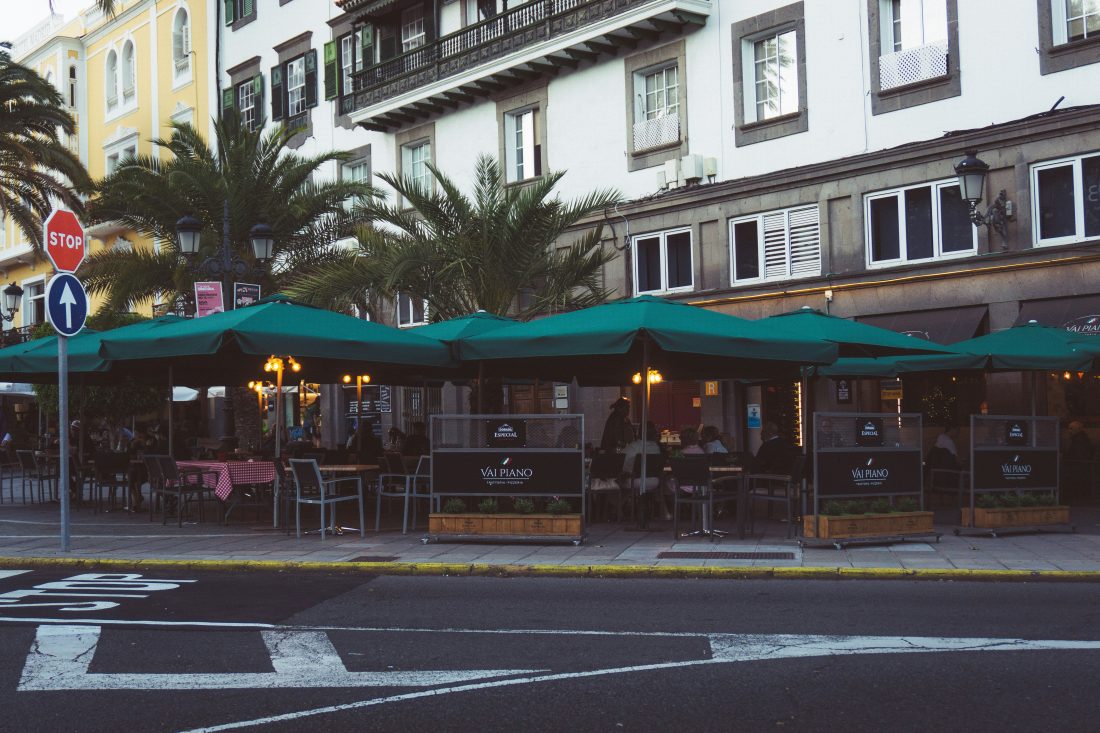
The beaches and sun draw vacationers to Gran Canaria. However, if you eat pizza by the pool all holiday and never go to a local restaurant, you are missing something important. Sincerely, the food is delicious and unlike anything on the Spanish mainland. It doesn’t impress with complicated techniques or presentation. It’s delicious and full of island and human history.
What Makes Canarian Food Different from the Rest of Spain?
Canarian food has evolved uniquely due to the island’s position and history as a meeting point of Europe, Africa, and Latin America. If you pay well, you can taste all three influences. Fresh fish, root vegetables, local cheese, and lots of herbs are the culinary staples. The weight and wealth are low. Simple, substantial meals are typical here.
The island also has its own pace, and food is part of that. Locals do not rush through lunch. If you are exploring different parts of the island and need to get from one place to another comfortably, many visitors book a taxi Gran Canaria between towns so they can plan a proper sit-down meal along the way without worrying about driving or parking.
The Dishes Every Visitor Should Try
Make papas arrugadas if you only try one island meal. These small potatoes are cooked in salt until the skin creases and a thin white crust forms. They are eaten with mojo, a sauce consisting of coriander, garlic, and red peppers. Mojo green is fresh and herbaceous, while mojo rojo is spicy. They’re both great and should be used everywhere.
Beyond that, here are a few more dishes that are genuinely worth ordering:
- Ropa vieja is a slow-cooked stew made with chickpeas and shredded meat, warm and filling and nothing like the Cuban dish with the same name.
- Sancocho is a traditional fish dish, usually made with salted fish served alongside papas arrugadas and mojo sauce, simple but very good.
- Caldo de papas is a hearty potato soup that locals often eat for lunch, especially in the cooler months up in the mountains.
- Queso de flor is a local cheese made from a mix of cow and sheep milk, mild and slightly floral in flavour, often served as a starter.
Local Desserts and Drinks Worth Saving Room For
Desserts made with cannabis are simple yet incredibly tasty. The most popular is probably bienmesabe, a thick, sweet cream composed of sugar, eggs, almonds, and lemon zest. It’s the kind of thing you remember long after the holiday is over and is frequently served with ice cream. Truchas are little pastries that are typically created around Christmas but may be found in bakeries all year round. They are filled with sweet potato or almond paste.
Try a glass of the region’s light, slightly fruity Canarian wine for a drink. Ron Miel, a honey rum from the area, is worth trying on its own or over ice after dinner if you’re in the mood for something heavier.
If you are planning to visit several restaurants across different parts of the island, booking transfers in advance through GetTransfer makes it easy to get around without the hassle of finding transport at the last minute.
Bottom Line
Beyond its beach, Gran Canaria has much to offer, and a significant portion of it is its cuisine. The best way to experience it is to avoid the tourist menus and choose a tiny local restaurant where the mojo is prepared in-house, and the daily specialties are posted on a board. Take your time eating, order something you’ve never tried, and allow the food to contribute to the experience. At that point, a holiday typically begins to feel like more than just a holiday.