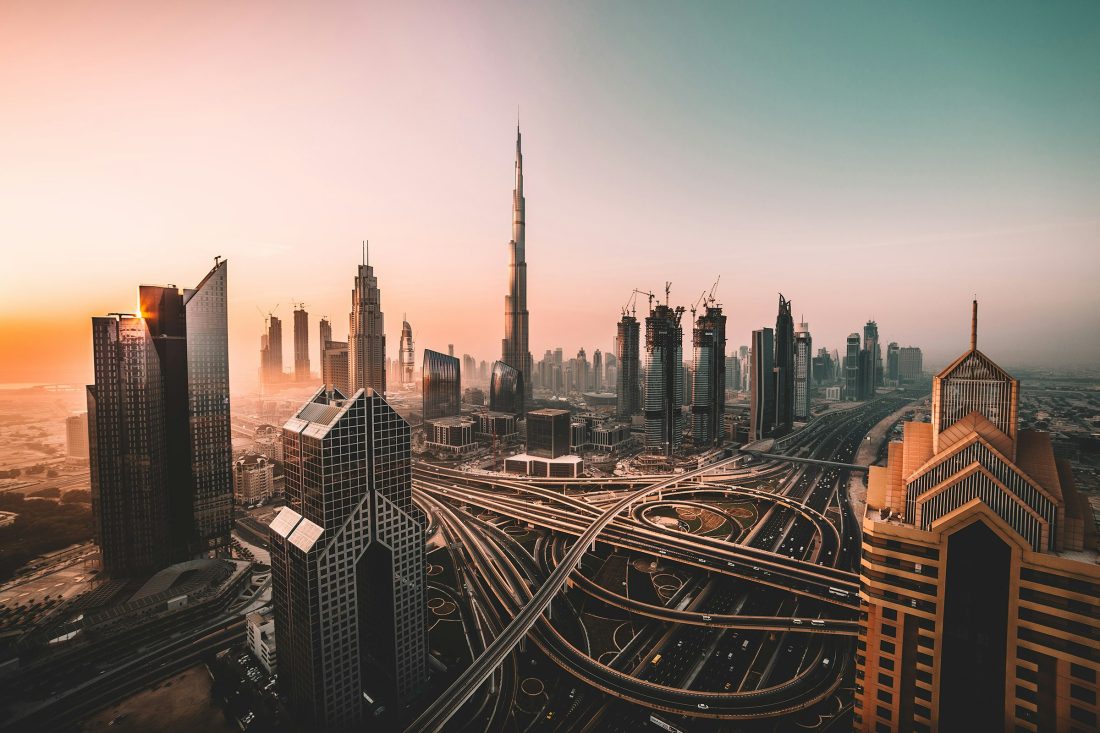
Dubai is often presented as a destination for short luxury holidays, but the city is equally suitable for extended stays, remote work, family relocations, and seasonal escapes. Arranging a monthly car rental dubai gives long-term visitors the freedom to build a comfortable routine, explore different neighbourhoods, and discover places beyond the usual tourist itinerary. With reliable transport available every day, Dubai begins to feel less like a stopover and more like home.
Choose a Neighbourhood That Matches Your Lifestyle
Dubai’s districts differ considerably in atmosphere, location, and cost. Choosing the right neighbourhood can make everyday life more convenient and reduce the amount of time spent travelling.
Dubai Marina and JBR
Dubai Marina and Jumeirah Beach Residence are ideal for people who enjoy waterfront living, restaurants, beaches, and an active social scene. The area is popular among professionals, couples, and digital nomads.
Residents have access to supermarkets, gyms, cafés, beach clubs, and pedestrian promenades. However, traffic can become busy during evenings and weekends, so having reserved parking is particularly useful.
Downtown Dubai and Business Bay
These central districts suit business travellers and anyone who wants to be close to major offices, hotels, restaurants, and attractions. Downtown Dubai provides convenient access to Dubai Mall and the Burj Khalifa, while Business Bay combines residential towers with commercial buildings.
Accommodation can be expensive, but the central location may save considerable commuting time.
Jumeirah Village Circle
Jumeirah Village Circle offers a quieter residential environment with apartments, townhouses, parks, cafés, and everyday services. It is often more affordable than the city’s famous waterfront districts.
A car is useful in JVC because destinations are spread across the neighbourhood and public transport options are more limited than in central Dubai.
Deira and Bur Dubai
Travellers interested in traditional markets, regional cuisine, and the historic character of the city may prefer Deira or Bur Dubai. These districts generally offer more budget-friendly accommodation and convenient access to Dubai Creek.
They are also excellent places to experience the multicultural side of everyday life in the emirate.
Create a Realistic Monthly Budget
The cost of an extended stay depends on accommodation, transport, food, entertainment, and personal habits. Planning these expenses in advance can prevent a seemingly affordable trip from becoming unexpectedly expensive.
A monthly budget should account for:
- apartment or hotel accommodation;
- car rental and fuel;
- road tolls and parking;
- groceries and restaurant visits;
- mobile phone and internet services;
- health or travel insurance;
- gym or beach-club memberships;
- entertainment and weekend activities;
- emergency expenses.
Furnished apartments can be a practical choice because they frequently include a kitchen, washing machine, and utilities. Preparing some meals at home also helps reduce spending without sacrificing the occasional brunch or dinner at one of Dubai’s celebrated restaurants.
Select a Car for Everyday Life
A vehicle that feels exciting for a weekend may not necessarily be the best option for an entire month. Comfort, fuel consumption, luggage capacity, and parking convenience become more important during a long stay.
Compact Cars
Compact cars are economical and easy to manoeuvre. They are a sensible choice for solo travellers or couples who mainly drive within the city.
Sedans
A sedan provides additional passenger comfort and boot space while remaining efficient for daily journeys. It can suit business travellers, small families, and residents commuting between neighbourhoods.
SUVs
An SUV may be preferable for larger families, groups, or travellers carrying sports equipment and substantial luggage. It also offers a higher driving position, although fuel consumption may be greater.
Premium Vehicles
A luxury vehicle can complement business meetings, special events, and Dubai’s sophisticated lifestyle. Before choosing one, renters should review the deposit, insurance conditions, mileage allowance, and possible charges for minor damage.
Understand the Rental Agreement
Long-term rental conditions can differ from standard daily bookings. Reading the agreement carefully is essential, even when the advertised monthly rate appears straightforward.
Check the following details before confirming a vehicle:
- documents and driving licences required;
- minimum and maximum driver age;
- monthly mileage allowance;
- charges for additional kilometres;
- insurance coverage and excess;
- security deposit conditions;
- Salik toll payment procedure;
- maintenance responsibilities;
- replacement vehicle policy;
- rules for additional drivers;
- fuel and return requirements;
- restrictions on travel outside the UAE.
International visitors may require an International Driving Permit depending on where their original licence was issued. Requirements should be verified before travelling rather than after arriving at the rental desk.
Build an Everyday Routine
Living in Dubai for a month provides time to slow down and experience the city beyond its headline attractions. Instead of visiting several landmarks in one day, long-term guests can create a routine that balances work, leisure, and exploration.
A typical week might include:
- working from a coworking space or quiet café;
- visiting a neighbourhood gym;
- shopping at a local supermarket;
- spending an afternoon at the beach;
- trying a restaurant in a different district;
- exploring a museum or cultural attraction;
- taking a weekend road trip.
Many residential communities have everything needed for daily life, including pharmacies, salons, laundries, cafés, and fitness studios. Choosing regular local businesses can also make a temporary resident feel more connected to the neighbourhood.
Explore Dubai Beyond the Famous Attractions
The Burj Khalifa, Palm Jumeirah, and Dubai Mall deserve attention, but an extended stay leaves room for less obvious experiences.
Al Fahidi and Dubai Creek
The Al Fahidi Historical Neighbourhood offers narrow streets, traditional wind-tower architecture, museums, galleries, and peaceful courtyards. Visitors can cross Dubai Creek by abra and explore the markets of Deira.
Alserkal Avenue
Located in Al Quoz, Alserkal Avenue is one of Dubai’s leading creative districts. Its converted warehouses contain contemporary art galleries, independent shops, cafés, workshops, and cultural venues.
Ras Al Khor Wildlife Sanctuary
This protected wetland is known for its flamingos and other migratory birds. It provides an unexpected encounter with nature close to the city’s skyscrapers.
Local Food Districts
Dubai’s international population is reflected in its food. Neighbourhoods such as Deira, Karama, Satwa, and International City offer dishes from India, Pakistan, the Philippines, Iran, Lebanon, Central Asia, and many other regions.
Eating outside the major tourist zones can introduce visitors to excellent food at considerably lower prices.
Drive Safely and Confidently
Dubai’s road system is modern, but large junctions, multilane motorways, and busy traffic can initially feel intimidating. Navigation applications help drivers choose the correct exits and anticipate delays.
Important driving habits include:
- observing posted speed limits;
- maintaining a safe distance;
- checking lanes well before motorway exits;
- avoiding mobile phone use while driving;
- paying attention to school zones;
- using only designated parking spaces;
- allowing extra time during peak periods;
- never driving after consuming alcohol.
Electronic toll gates operate on several major roads. Toll charges are usually recorded automatically and added to the renter’s account according to the provider’s policy.
Parking rules vary between districts. Hotels, residential buildings, and shopping centres may include complimentary parking, while roadside spaces often require payment.
Plan Weekend Trips Across the UAE
One of the greatest advantages of having a car for a month is the opportunity to see more of the country without rushing.
Abu Dhabi
The capital offers cultural landmarks, elegant architecture, beaches, and major entertainment destinations. Sheikh Zayed Grand Mosque, Louvre Abu Dhabi, Qasr Al Watan, Saadiyat Island, and Yas Island can easily fill an entire weekend.
Hatta
Hatta’s mountain scenery provides a refreshing contrast to Dubai. Depending on the season, visitors can go kayaking, hiking, cycling, or simply enjoy the viewpoints and quieter atmosphere.
Ras Al Khaimah
Ras Al Khaimah combines beaches, resorts, historic sites, and the Hajar Mountains. Travellers can visit Jebel Jais for panoramic views and outdoor activities.
Sharjah
Sharjah is close enough for a relaxed cultural day trip. Its museums, heritage districts, markets, and waterfront areas reveal a different side of the UAE.
Fujairah
The east coast is known for mountain landscapes, beaches, diving sites, and historic forts. Leaving early allows visitors to enjoy a full day before returning to Dubai.
Adapt to Dubai’s Climate
The weather affects everything from driving to outdoor activities. During the hottest months, daytime temperatures can be extreme, so outdoor plans are best scheduled for the morning or evening.
Drivers should:
- keep drinking water in the vehicle;
- use shaded or covered parking where possible;
- check tyre condition before longer journeys;
- ensure the air conditioning works properly;
- avoid leaving electronics or heat-sensitive items inside;
- carry sunglasses and sun protection;
- monitor fuel levels before travelling outside urban areas.
From late autumn to early spring, cooler conditions make beaches, outdoor dining, desert visits, and road trips particularly enjoyable.
Make the Most of a Slower Travel Style
An extended stay removes the pressure to see everything immediately. Visitors can return to favourite places, change plans according to the weather, and explore each part of the city at a more natural pace.
Instead of treating every day like a sightseeing marathon, reserve time for simple experiences: an early walk beside the sea, coffee in a new neighbourhood, sunset in the desert, or dinner at a small family-run restaurant. This slower approach often reveals the most vivid and memorable side of Dubai.